

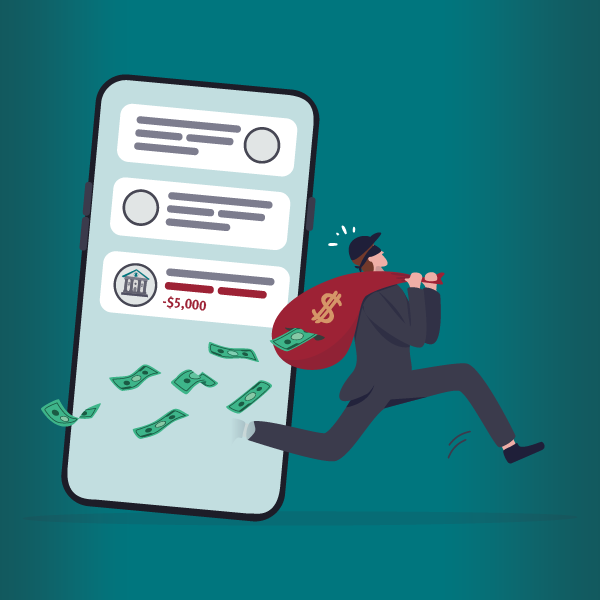
Aisha received a text message for a pre-approved loan offer. She called the phone number provided and was told to provide her online banking credentials and security codes to complete the application. Believing she was working with a legitimate lender, Aisha followed the instructions. Scammers then deposited fraudulent checks into her account and convinced her to send money back as part of the loan process. By the time she realized the offer was fake, more than $5,000 had been withdrawn from her account.
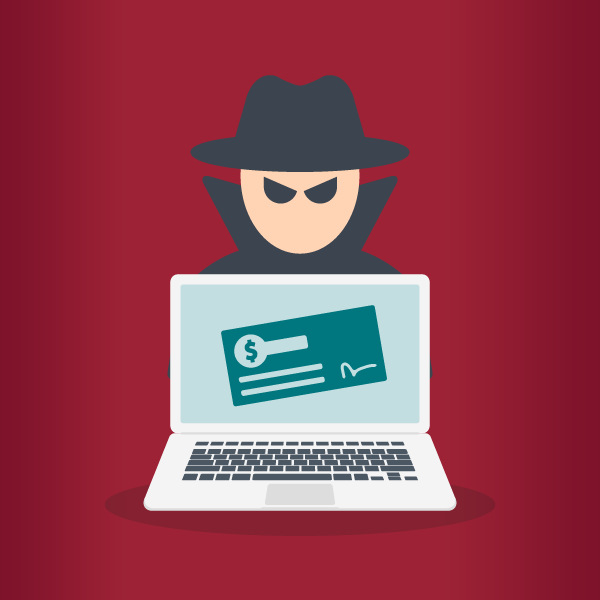
The marketplace manipulator
Jun was selling computer equipment on Facebook Marketplace when a buyer sent an electronic cashier's check for payment. Although the check appeared legitimate, something didn't feel right. Before handing over the equipment, Jun contacted the bank listed on the check and learned it was counterfeit. By trusting his instincts and verifying the payment, Jun avoided losing both his equipment and thousands of dollars.
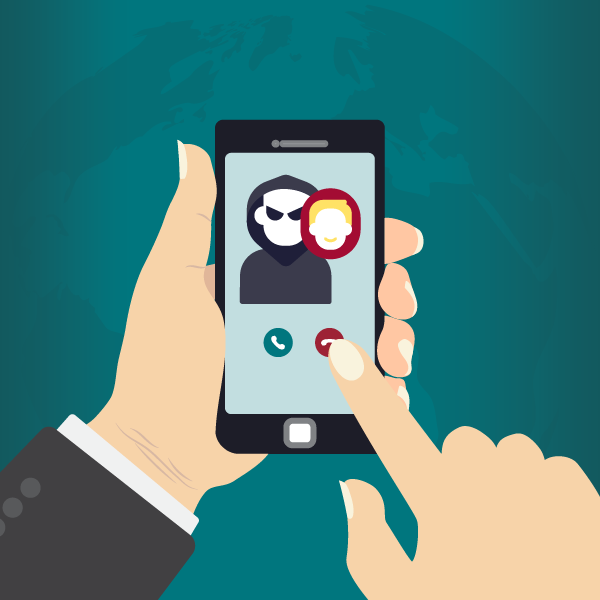
Michael received a call from someone claiming to be law enforcement. The caller said his identity had been connected to a crime overseas and that he could avoid arrest by paying the victim. Believing the threat was real, Michael followed instructions to hide the purpose of transaction from the credit union staff and wired $25,000. He later learned the entire story was fake, and the money was gone.

Many scams start with a simple text or phone call. Knowing the warning signs can help you protect your personal information and your accounts.

One scam we're seeing more often involves alarming pop-up messages that suddenly appear on your computer, tablet, or smartphone.

Check fraud is on the rise. Criminals are stealing members’ written checks, altering the payee or amount, or creating counterfeit copies.