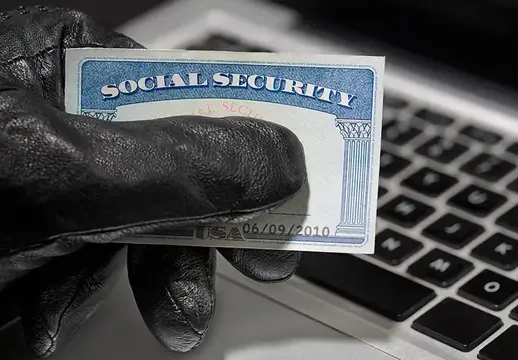


Help! My identity was stolen.
- Contact us immediately (via Chat or by calling 888.723.7328) if you suspect your personal information was compromised or you notice unauthorized transactions on your account.
- Review your credit report to make sure there are no other accounts you’re not aware of that have been opened in your name. Visit annualcreditreport.com to obtain a credit report.
- Place a free temporary or permanent extended fraud alert or security freeze on your credit files with each of the credit bureaus so no one can open new credit accounts in your name. The security freeze will need to be placed separately with each bureau, whereas the extended fraud alert will only need to be placed with one of the bureaus. You can review the FTC information guide explaining the difference between the Security Freeze and the Extended Fraud Alert to decide which is right for you:
- Contact consumer reporting agency ChexSystems to place a security freeze. This will help prevent a fraudster from opening checking/savings accounts in your name.
- Visit the Federal Trade Commission’s identitytheft.gov. This website provides guidance for identity theft victims and you can report identity theft.
- File a complaint with the FBI’s Internet Crime Complaint Center.
- Review your IRS account. Visit IRS’s Identity Theft Central for resources and next steps.
- Review your Social Security Account and if your Social Security number has been compromised then submit a report online or contact SSA’s OIG fraud hotline at 800.269.0271.
- Contact fraud departments at your other financial institutions and tell them your identity may have been compromised.
- Change logins, passwords, and PINS to all your accounts at financial institutions, utilities, services, etc.
Steps to help prevent identity theft
- Limit how your personal information is shared, especially online. Keep your social security number safe.
- Strengthen your online passwords by using a mix of letters, numbers and special characters.
- Shred any documents with personal information before discarding them.
- Sign up for eStatements in Digital Banking to keep your account information out of the mailbox. Fraudsters often steal mail to obtain personal information.
- Consider signing up for Informed Delivery with the U.S. Post Office. This service will send you a preview of incoming mail to your email so you can see if anything critical goes missing.
- Ask Stanford FCU to make your verbal Security Word mandatory. This means you will have to provide the verbal Security Word we keep on file every time you call into Stanford FCU. Never provide your Security Word when someone stating they are with Stanford FCU calls you.
- Monitor your credit report to ensure that no one has opened accounts in your name. You can get a free copy annually at annualcreditreport.com. Because all three credit bureaus participate, you can request one at a time from each bureau to monitor your credit throughout the year.
- Don’t respond to calls or text messages from unknown numbers. Scammers will often contact you this way in an attempt to get personal information.
Related Articles
You might also be interested in...
1
/
6
Pages within:
- Social Security Webinar – Claiming Decisions to Maximize Benefits
- Fraud Prevention Webinar
- Finding Your Home - Features to Consider
- 4 Types of Insurance for Homeowners
- The Mortgage Process
- The Home Buying Process
- Home Features That Can Save You Money
- Home Loan Options
- Making Your Offer On The Perfect Home
- The Seller Said Yes - What Happens When Your Home Loan Offer is Accepted
- Teens & Young Adults Are 3X More Likely to Fall for Scams
- Identity Theft
- Common Scams
- Computer Security
- Debit and Credit Card Security
- Nice Try Scammer That's My Card
- 5 Quick Tips to Avoid Fraud
- Home Equity Line of Credit (HELOC) FAQs From the Federal Trade Commission
- How to Avoid a Scam
- How to Protect Seniors Against Cybercrimes
- I Wish I'd Known Homebuying Advice
- Money Saving Vacation Tips
- 13 Most Common Scams
- 20 Credit Card Tips
- 8 Financial Tips for Young Adults
- A smart way to maximize your deposit yield
- Building Credit in the US
- Deposit Insurance Protects Your Savings
- Choosing a Savings Account That's Right for You
- Phishing How to Avoid the Hook
- What is a FICO<sup>®</sup> score?
- What's a Certificate and Why You Need One
- What to Know About Cryptocurrency and Scams
- Getting Started with Investing