Card safety tips just for you
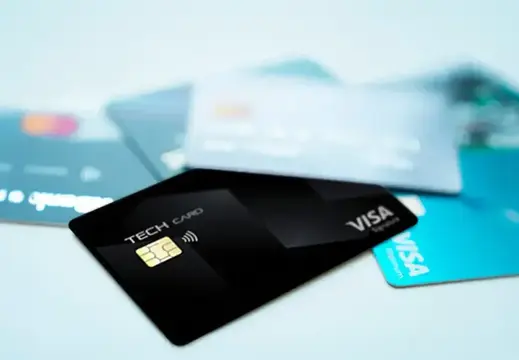
Are you protecting yourself against scammers? Here’s a quick guide on keeping your payment cards and your money safe.
- Tap to pay
Contactless payments reduce the risk of card skimming. - Use mobile wallet
Pay with your phone or smart watch for added protection. - Watch out
Loose parts? Hidden camera? Use another machine. - Don’t share your PIN
Keep your PIN private. Stanford FCU will never ask for it. - Turn on alerts
Get a text or email message about account activity. - Go where it’s safe
Choose well-lit, busy ATMs and gas pumps near attendants.
If something seems off
- If an ATM keeps your card or if you notice suspicious activity, call us at 888.723.7328, use Chat or schedule a virtual appointment.
- We can freeze your card, review recent transactions, and get you a replacement if needed.
- Visit Card Center in Digital Banking to lock or unlock your card and reset your PIN.
Related Articles
You might also be interested in...
1
/
6
Pages within:
- Social Security Webinar – Claiming Decisions to Maximize Benefits
- Fraud Prevention Webinar
- Finding Your Home - Features to Consider
- 4 Types of Insurance for Homeowners
- The Mortgage Process
- The Home Buying Process
- Home Features That Can Save You Money
- Home Loan Options
- Making Your Offer On The Perfect Home
- The Seller Said Yes - What Happens When Your Home Loan Offer is Accepted
- Teens & Young Adults Are 3X More Likely to Fall for Scams
- Identity Theft
- Common Scams
- Computer Security
- Debit and Credit Card Security
- Nice Try Scammer That's My Card
- 5 Quick Tips to Avoid Fraud
- Home Equity Line of Credit (HELOC) FAQs From the Federal Trade Commission
- How to Avoid a Scam
- How to Protect Seniors Against Cybercrimes
- I Wish I'd Known Homebuying Advice
- Money Saving Vacation Tips
- 13 Most Common Scams
- 20 Credit Card Tips
- 8 Financial Tips for Young Adults
- A smart way to maximize your deposit yield
- Building Credit in the US
- Deposit Insurance Protects Your Savings
- Choosing a Savings Account That's Right for You
- Phishing How to Avoid the Hook
- What is a FICO<sup>®</sup> score?
- What's a Certificate and Why You Need One
- What to Know About Cryptocurrency and Scams
- Getting Started with Investing